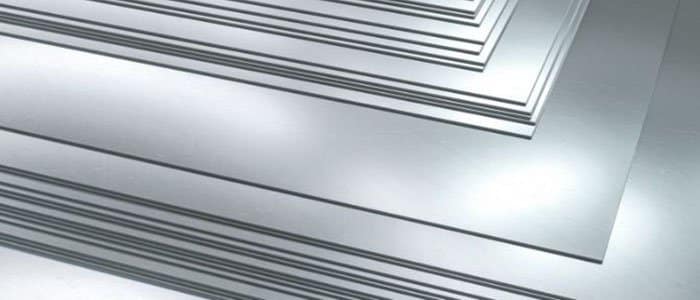



In modern architecture and industrial design, materials that balance durability, aesthetics, and weight are essential. While solid titanium is recognized for its corrosion resistance and strength, its cost can be high for large-scale projects. Titanium Composite Panels (TCP) provide an alternative, combining the surface properties of titanium with a cost-effective core structure.
This guide covers the structure, manufacturing process, benefits, and applications of titanium composite panels to help you determine if they are suitable for your project.
What Are Titanium Composite Panels?
A Titanium Composite Panel consists of two thin layers of titanium sheet bonded to a core material. The core is typically polyethylene (PE) or a mineral-filled material for improved fire resistance. This structure provides the surface characteristics of titanium—such as its finish and environmental resistance—while reducing weight and material costs compared to solid titanium plates.
The Manufacturing Process
The production of Titanium Composite Panels varies based on their intended use. There are two primary manufacturing methods: continuous roll bonding for architectural panels and explosive bonding for industrial applications.
1. Continuous Roll Bonding (For Architectural Panels)
This method is commonly used for building façades and interior design where weight is a primary concern.
- Material Preparation: Thin titanium sheets (typically 0.3mm to 0.5mm) are prepared alongside a core material, usually polyethylene or a mineral-filled fire-retardant core.
- Surface Treatment: Both the metal and core undergo cleaning and chemical treatment to ensure strong adhesion.
- Heat and Pressure: The materials are stacked and passed through a series of heated rollers. The heat activates the adhesive, and the pressure fuses the layers together into a flat, rigid sheet.
2. Explosion Bonding (For Industrial Applications)
For heavy-duty industries such as shipbuilding, chemical processing, and power generation, panels often consist of titanium bonded to steel (such as carbon steel or stainless steel). In these cases, Explosion Bonding (or Cladding) is the preferred manufacturing method.
- Principle: This is a solid-state welding process that uses the energy of controlled explosives to bond two dissimilar metals.
- Process: The titanium plate (cladder) is placed parallel to the base metal (backer), such as steel, with a precise standoff gap. An explosive charge is detonated across the surface of the titanium plate.
- Collision and Bonding: The detonation drives the titanium plate against the base metal at a high velocity. The resulting collision creates a localized high pressure that cleans the surfaces and plasticizes the metals, causing them to interlock on a microscopic level.
- Result: This creates a strong metallurgical bond between the titanium and the steel. Unlike adhesive bonding, explosion-bonded panels can withstand extreme temperatures and high pressures, making them suitable for pressure vessels and heat exchangers.
Daxun Alloys Co., Ltd. supplies both lightweight panels for design and explosion-bonded panels for heavy industry. Our manufacturing processes are executed with high precision to ensure that every product meets specific operational standards.
Key Benefits of Titanium Composite Panels
Why are architects and engineers increasingly turning to TCPs? Here are the primary advantages:
1. Corrosion Resistance
Titanium is known for withstanding harsh environments, including marine and industrial atmospheres. By using titanium as the outer layer, composite panels offer good resistance to rust and corrosion, which helps maintain the structure’s integrity over time.
2. Lightweight and High Strength-to-Weight Ratio
Solid titanium is heavy. TCPs provide a better strength-to-weight ratio. The lightweight nature of the panels simplifies transportation, handling, and installation, which can reduce construction time and costs.
3. Aesthetic Options
Titanium has a distinct metallic appearance that changes under different lighting conditions. Unlike some metals that tarnish, titanium forms a stable oxide layer that protects the surface and keeps its appearance consistent. It offers a modern look that differs from standard stainless steel or aluminum.
4. Flatness and Rigidity
The composite structure makes these panels flat and rigid. They are less prone to waviness compared to thin metal sheets, ensuring a uniform appearance on large façades.
5. Cost Efficiency
Using a thin layer of titanium over a less expensive core reduces the cost compared to solid titanium. This allows designers to use titanium in projects where a full solid titanium budget is not feasible.
Common Applications of Titanium Composite Panels
The properties of TCPs make them suitable for various uses:
- Architectural Cladding and Façades:TCPs are often used for building exteriors, including corporate buildings and museums, to create a durable and clean look.
- Roofing:Their durability and light weight make them suitable for roof structures where weight is a consideration.
- Interior Design:They are used for lobbies, elevators, and column covers where a high-quality metal finish is desired.
- Transportation:In aerospace and high-speed train sectors, TCPs are used for interior panels where reducing weight is important.
- Signage:Due to their weather resistance, they are a practical choice for long-lasting outdoor signage.
Conclusion
Titanium Composite Panels offer a modern material solution that combines the surface qualities of titanium with the efficiency of a composite structure. For projects that require durability, a specific aesthetic, and resistance to environmental elements, TCPs are a practical choice.
At Daxun Alloys Co., Ltd., we understand the importance of material quality. With experience in supplying stainless steel, carbon steel, titanium plates, and various alloy steels, we focus on providing materials that meet industrial standards.
Ready to elevate your project with premium materials? Contact Daxun Alloys Co., Ltd. today to discuss your specifications.