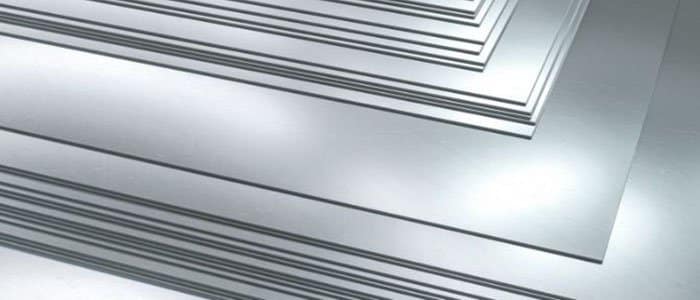



ASTM F136 Titanium Bar for Surgical Implant Machining: Grade 23 Ti-6Al-4V ELI Buying Guide
When buyers search for ASTM F136 titanium bar, they are usually not looking for general information about titanium. They often need a specific medical grade titanium material for machining surgical implants, orthopedic components, dental implant parts, spinal fixation systems or precision medical device components.
For these projects, the question is not simply “Can you supply titanium?” The real question is: Can the material meet ASTM F136? Is it Grade 23 Ti-6Al-4V ELI? Can the supplier provide full traceability, heat number, chemical composition, mechanical properties, surface condition and correct dimensions for CNC machining?
This guide is written for medical device manufacturers, implant machining companies and procurement teams that need to buy ASTM F136 titanium bar or Ti-6Al-4V ELI titanium rod with clear technical requirements.
At DAXUN ALLOY, we supply titanium bar, titanium plate, titanium tube, titanium wire and custom titanium materials for international customers. For medical-related titanium projects, we help buyers confirm grade, standard, tolerance, surface condition, certificate requirements and export documentation before production.
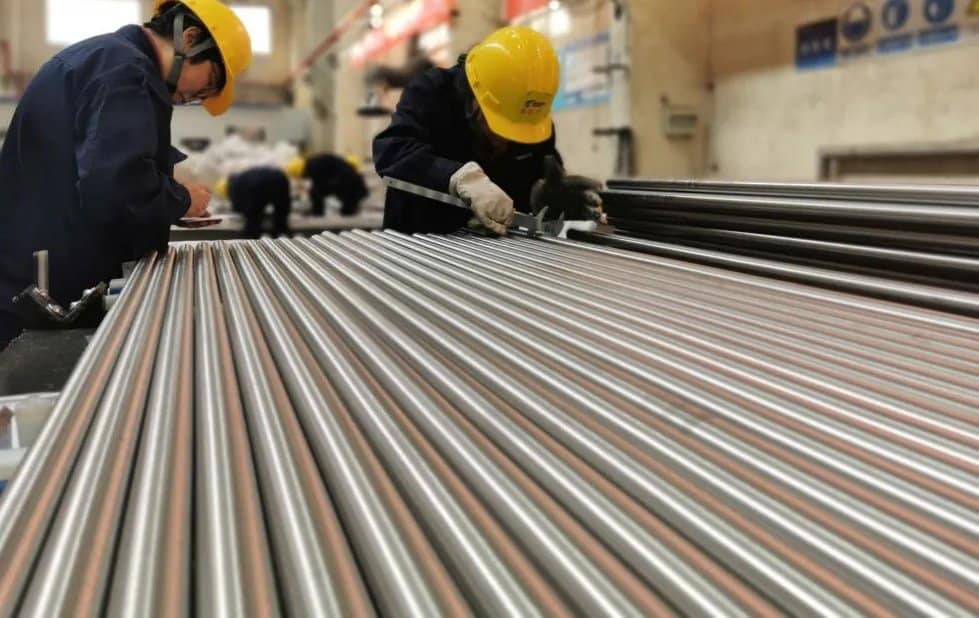
What Is ASTM F136 Titanium Bar?
ASTM F136 titanium bar refers to wrought Ti-6Al-4V ELI titanium alloy material supplied according to ASTM F136 requirements. In the titanium industry, this material is also commonly known as Grade 23 titanium or Ti-6Al-4V ELI.
ELI means Extra Low Interstitial. Compared with standard Ti-6Al-4V Grade 5, Grade 23 has tighter control of interstitial elements such as oxygen, nitrogen, carbon and hydrogen. This control is important for applications where ductility, fracture toughness, consistency and implant-related performance are key concerns.
ASTM F136 titanium bar is commonly used as raw material for CNC machining. Manufacturers may machine it into bone screws, trauma plates, spinal rods, dental implant components, orthopedic pins, fixation parts and other medical device components.
For buyers, the most important point is to avoid treating “medical titanium” as a vague term. If the drawing or purchase specification requires ASTM F136, the order should clearly state ASTM F136, Ti-6Al-4V ELI, Grade 23, product form, size, tolerance, surface condition and certificate requirements.
Why Grade 23 Ti-6Al-4V ELI Is Used for Implant Machining
Grade 23 titanium is widely used in surgical implant machining because it offers a practical balance of strength, corrosion resistance, biocompatibility and machinability.
First, it has higher strength than commercially pure titanium. For load-bearing or high-stress implant components, strength is a major factor. Orthopedic screws, plates, rods and spinal components often need stronger material than pure titanium.
Second, it has good corrosion resistance. Titanium naturally forms a stable oxide film on the surface, which helps protect the material in many demanding environments.
Third, it has a long history of use in medical and implant-related applications. For buyers, this matters because material selection is not only about performance but also about compliance with customer drawings, engineering requirements and regulatory expectations.
Fourth, it can be supplied in forms suitable for production. ASTM F136 titanium can be supplied as bar, rod, plate, sheet, wire or forging bar, depending on the final manufacturing route. For CNC machining factories, titanium bar and rod are the most common starting materials.
ASTM F136 Titanium Bar vs ASTM F67 Pure Titanium
Many buyers compare ASTM F136 titanium with ASTM F67 titanium, but they are used for different material requirements.
ASTM F136 is for Ti-6Al-4V ELI titanium alloy. It is usually selected when the final part needs higher strength. Typical applications include orthopedic implants, trauma fixation systems, spinal components and other machined medical parts that require strong mechanical performance.
ASTM F67 is for unalloyed titanium, including commercially pure titanium grades such as Grade 1, Grade 2, Grade 3 and Grade 4. Pure titanium is often selected when corrosion resistance, ductility and biocompatibility are the main priorities, and the strength requirement is lower than Ti-6Al-4V ELI.
In simple terms:
Choose ASTM F136 Grade 23 when the application needs higher strength and implant-grade Ti-6Al-4V ELI.
Choose ASTM F67 pure titanium when the application requires commercially pure titanium for surgical implant-related use.
The final decision should always follow the customer drawing, medical device design requirements and applicable regulatory pathway.
Common Applications of ASTM F136 Titanium Bar
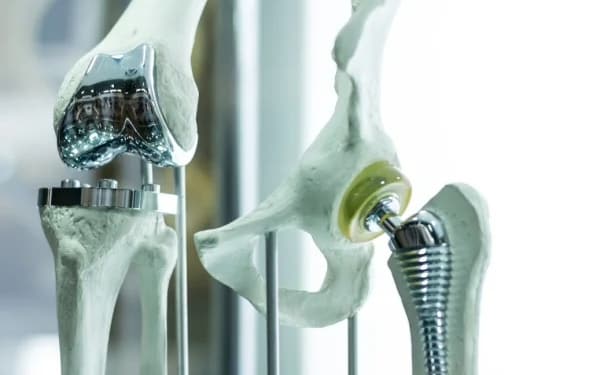
ASTM F136 titanium bar is mainly purchased for machining and manufacturing high-value medical parts. Common applications include:
Orthopedic bone screws: These parts require reliable strength, accurate dimensions and stable machining performance.
Trauma plates: Titanium plates and bars may be used to produce fixation plates and related components.
Spinal fixation systems: Rods, screws and connectors often require strong and consistent titanium alloy material.
Dental implant components: Some dental systems use Ti-6Al-4V ELI components depending on the design and specification.
Orthopedic pins and rods: These parts need stable mechanical properties and traceable raw material.
Precision medical device parts: Titanium bar can also be used for medical equipment components, fasteners, connectors and custom machined parts.
For these applications, the buyer normally cares about more than chemical composition. Diameter tolerance, straightness, surface finish, ultrasonic testing, certificate format and packaging can all affect production efficiency.
What Buyers Should Confirm Before Ordering ASTM F136 Titanium Bar
Before placing an order, buyers should confirm the technical details clearly. This reduces misunderstandings and avoids production delays.
1. Grade and Standard
The purchase order should clearly state ASTM F136, Grade 23 or Ti-6Al-4V ELI. If the customer only says “medical titanium bar,” the supplier should ask whether ASTM F136 is required.
2. Diameter and Length
For titanium bar, diameter and length are basic but important details. Buyers should confirm whether the bar will be supplied as random length, fixed length or cut-to-size pieces.
For example, CNC machining companies may prefer fixed lengths to reduce cutting waste and improve production planning.
3. Tolerance
Tolerance should be confirmed before production. Precision machining customers may need tighter diameter tolerance than standard commercial tolerance. If the bar will be directly used in automatic machining, tolerance consistency is especially important.
4. Surface Condition
Common surface conditions include black surface, peeled surface, ground surface and polished surface. For medical machining, peeled or ground bar is often preferred because it can reduce surface defects and improve machining preparation.
5. Heat Treatment Condition
ASTM F136 titanium bar is commonly supplied in annealed condition. Buyers should confirm the required heat treatment condition according to drawing or technical specification.
6. Testing Requirements
Buyers may request chemical composition, tensile properties, ultrasonic testing, microstructure, surface inspection or other project-specific tests. These requirements should be confirmed before quotation.
7. Certificate Requirements
A material test certificate should show important information such as grade, standard, heat number, chemical composition, mechanical properties, size and delivery condition.
8. Traceability
For medical-related supply chains, traceability is critical. The heat number on the certificate should match the material marking, label and delivery documents.
Size, Tolerance and Surface Finish: Why They Matter
For general industrial titanium, small variations in size or surface condition may be acceptable. For medical titanium bar used in implant machining, these details can directly affect cost and quality.
If the diameter tolerance is unstable, the machining factory may need extra turning allowance. This increases material waste and machining time.
If the surface has cracks, deep scratches or heavy oxide scale, the buyer may need extra peeling or grinding before production. This also increases cost.
If straightness is poor, long titanium rods may create problems during CNC feeding, cutting or turning.
This is why buyers should not only ask for “ASTM F136 titanium bar price.” A better inquiry should include:
Material: ASTM F136 Ti-6Al-4V ELI / Grade 23 titanium bar
Diameter: for example 6 mm, 10 mm, 20 mm, 40 mm or custom size
Length: random length or fixed length
Surface: peeled, ground or polished
Condition: annealed
Tolerance: standard or customer-specified tolerance
Certificate: MTC with heat number, chemical composition and mechanical properties
Quantity: trial order or bulk order
Destination: country and port for freight checking
This type of inquiry helps the supplier quote more accurately and helps the buyer avoid hidden costs.
MTC, Heat Number and Traceability
For ASTM F136 titanium bar, documentation is not a small detail. It is one of the main reasons buyers choose a qualified supplier.
The MTC, or material test certificate, should be linked to the actual material. Buyers should check whether the heat number on the titanium bar label matches the heat number on the certificate.
A useful MTC usually includes:
Material grade
Applicable standard
Heat number
Chemical composition
Mechanical properties
Size
Delivery condition
Testing result
Manufacturer or supplier information
If the certificate is incomplete, unclear or not traceable to the supplied material, the buyer should be careful. For medical-related applications, poor documentation can create serious quality and compliance problems later.
Common Purchasing Mistakes
Many buyers make similar mistakes when purchasing medical titanium material. Avoiding these mistakes can save time and reduce risk.
Mistake 1: Asking only for “medical grade titanium”
This term is too general. A supplier needs to know whether the required material is ASTM F136 Grade 23, ASTM F67 pure titanium or another specification.
Mistake 2: Comparing price without checking certificate details
A lower price may not include the required testing, certificate, tolerance or surface finish. Buyers should compare full technical scope, not only unit price.
Mistake 3: Ignoring surface condition
For CNC machining, surface condition affects yield and machining cost. Peeled or ground bar may cost more than black surface bar, but it can reduce preparation work.
Mistake 4: Not confirming tolerance
If tolerance is not confirmed, the supplied bar may not meet the machining process requirement. This is especially important for small-diameter bars and automatic machining.
Mistake 5: Not checking traceability
For medical-related projects, traceability should be confirmed before shipment. The certificate, label and material marking should match.
How DAXUN ALLOY Supports Medical Titanium Buyers
DAXUN ALLOY supplies titanium materials for international customers that need stable quality, technical communication and export support.
For ASTM F136 titanium bar inquiries, we can help buyers confirm:
Grade and standard
Diameter and length
Tolerance requirement
Surface condition
Heat treatment condition
Certificate requirement
Testing requirement
Packing and shipping method
Trial order or bulk order plan
We understand that many medical device manufacturers and machining companies do not only need raw material. They need a supplier who can help confirm details before production and reduce the risk of wrong material, wrong certificate or unsuitable surface condition.
We also work with fellow titanium specialists such as Beiyu Titanium, a China-based supplier of titanium bar, plate, tube and forgings to ASTM and AMS specifications.
FAQ About ASTM F136 Titanium Bar
Is ASTM F136 the same as Grade 23 titanium?
ASTM F136 is a material standard for Ti-6Al-4V ELI titanium alloy used in surgical implant applications. Grade 23 is the common titanium grade name for Ti-6Al-4V ELI.
What is the difference between Grade 5 and Grade 23 titanium?
Grade 5 is standard Ti-6Al-4V titanium alloy. Grade 23 is Ti-6Al-4V ELI, with tighter control of interstitial elements. Grade 23 is commonly selected for medical and implant-related applications.
Can ASTM F136 titanium bar be used for dental implants?
ASTM F136 titanium bar may be used for dental implant components if it matches the customer design, specification and regulatory requirements. The final device manufacturer should confirm suitability for the final application.
What surface finish is recommended for medical titanium bar?
For implant machining, peeled, ground or polished surfaces are often preferred. The best choice depends on the machining allowance, diameter tolerance and final part requirements.
What information should I send for quotation?
For an accurate quotation, send the grade, standard, diameter, length, tolerance, surface condition, quantity, certificate requirement and delivery destination.
Can DAXUN ALLOY supply cut-to-size ASTM F136 titanium bar?
Yes. DAXUN ALLOY can support titanium bar, titanium rod and custom titanium material supply according to customer requirements. Buyers can provide drawings, size lists or technical specifications for confirmation.
ASTM F136 Grade 23 Titanium Bar Chemical Composition
The chemical composition of ASTM F136 titanium bar is one of the first points buyers should verify before ordering. Grade 23 Ti-6Al-4V ELI has tighter impurity control than standard Ti-6Al-4V Grade 5, especially for oxygenity control than standard Ti-6Al-4V Grade 5, especially for oxygen, hydrogen and other interstitial elements.
| Element | Requirement / Typical Limit |
|---|---|
| Titanium, Ti | Balance |
| Aluminum, Al | 5.50 – 6.50% |
| Vanadium, V | 3.50 – 4.50% |
| Iron, Fe | ≤ 0.25% |
| Oxygen, O | ≤ 0.13% |
| Carbon, C | ≤ 0.08% |
| Nitrogen, N | ≤ 0.05% |
| Hydrogen, H | ≤ 0.013% |
| Other elements, each | ≤ 0.10% |
| Other elements, total | ≤ 0.40% |
For medical titanium buyers, chemical composition is not only a material data point. It affects strength, ductility, fracture toughness, corrosion resistance and long-term performance of the final machined component.
ASTM F136 Grade 23 Titanium Bar Mechanical Properties
For surgical implant machining, mechanical properties are critical. Buyers should confirm tensile strength, yield strength, elongation and reduction of area on the material test certificate before shipment.
| Property | Common Minimum Requirement |
|---|---|
| Tensile Strength, Rm | ≥ 862 MPa |
| Yield Strength, Rp0.2 | ≥ 793 MPa |
| Elongation | ≥ 10% |
| Reduction of Area | ≥ 25% |
| Typical Condition | Mill Annealed |
These values help buyers understand whether the material is suitable for high-strength medical components such as orthopedic screws, spinal rods, trauma fixation parts and precision implant components.
ASTM F136 vs ASTM F67 Titanium Comparison
ASTM F136 and ASTM F67 are both used in medical titanium purchasing, but they are not the same material. Buyers should select the correct standard based on the final device design and customer drawing.
| Item | ASTM F136 | ASTM F67 |
|---|---|---|
| Material Type | Ti-6Al-4V ELI titanium alloy | Commercially pure titanium |
| Common Grade Name | Grade 23 | Grade 1, Grade 2, Grade 3, Grade 4 |
| Main Elements | Titanium, aluminum, vanadium | Titanium with controlled impurities |
| Strength Level | Higher strength | Lower to medium strength, depending on grade |
| Typical Use | Orthopedic implants, spinal systems, trauma fixation, dental components | Dental parts, surgical components, applications requiring pure titanium |
| Key Advantage | High strength and good toughness | Excellent corrosion resistance and ductility |
| Buyer Should Confirm | ASTM F136, Grade 23, Ti-6Al-4V ELI, MTC and heat number | ASTM F67, CP titanium grade, MTC and heat number |
In simple terms, ASTM F136 is usually selected when the buyer needs higher strength implant-grade titanium alloy. ASTM F67 is selected when the design requires commercially pure titanium for surgical implant-related applications.
Buying Checklist for ASTM F136 Titanium Bar
Before requesting a quotation, buyers should prepare a clear technical inquiry. This helps suppliers quote accurately and reduces the risk of wrong material, wrong tolerance or incomplete documentation.
| Item to Confirm | What Buyers Should Provide |
|---|---|
| Material Grade | ASTM F136 / Grade 23 / Ti-6Al-4V ELI |
| Product Form | Titanium bar, rod, plate, wire or custom blank |
| Diameter / Thickness | Exact size or size range |
| Length | Random length, fixed length or cut-to-size |
| Tolerance | Standard tolerance or customer-specified tolerance |
| Surface Condition | Black, peeled, ground or polished |
| Heat Treatment | Usually annealed, or as required by drawing |
| Testing | Chemical, tensile, ultrasonic, microstructure or other tests |
| Certificate | MTC with heat number, chemical composition and mechanical properties |
| Traceability | Heat number must match certificate, label and material marking |
| Quantity | Trial order or bulk order |
| Destination | Country, port or delivery address for freight checking |
A complete inquiry is more useful than asking only for “ASTM F136 titanium bar price.” For medical device and implant machining projects, the correct grade, certificate, tolerance and traceability are just as important as the unit price.
Conclusion
ASTM F136 titanium bar is not a general titanium product. It is a specific medical-grade Ti-6Al-4V ELI material used for surgical implant machining and precision medical device manufacturing.
For buyers, the key is to confirm the complete technical requirement before ordering: Grade 23, ASTM F136, diameter, length, tolerance, surface finish, heat treatment condition, MTC, heat number and traceability.
If you are sourcing ASTM F136 titanium bar, Grade 23 titanium rod or Ti-6Al-4V ELI material for implant machining, DAXUN ALLOY can help you review the specification and provide suitable titanium material options for your project.