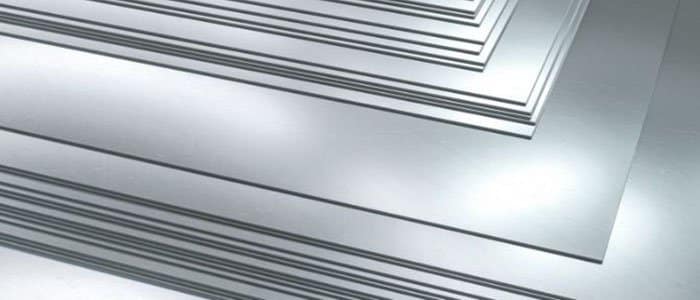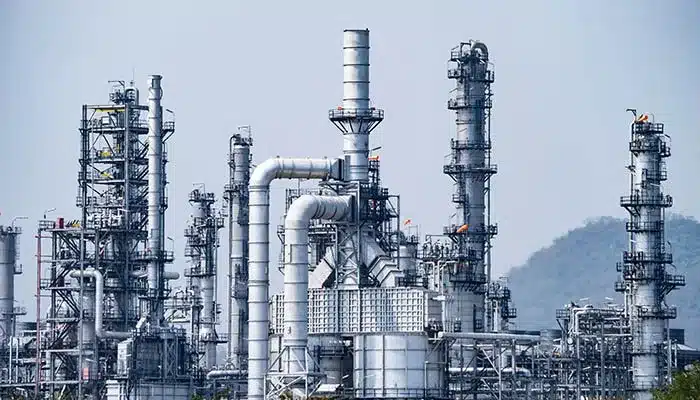



Titanium is often called the “wonder metal” of the modern age, renowned for its incredible strength-to-weight ratio and exceptional corrosion resistance. It is a cornerstone material in industries ranging from aerospace and medical to chemical processing and marine engineering.
But how does raw earth transform into the precise, durable plates used in these high-stakes applications? The process is complex and requires precision at every step.Today, we take you behind the scenes to explain the detailed manufacturing journey of titanium plates.
Step 1: The Kroll Process – From Ore to Sponge
The journey begins with titanium ore, primarily found in minerals like rutile and ilmenite. However, titanium is chemically reactive and binds tightly to oxygen, so it cannot be simply smelted like iron. Instead, manufacturers use the Kroll Process:
- Chlorination:The ore is treated with chlorine and carbon, producing titanium tetrachloride (TiCl4). This is a liquid that allows for the purification of the metal.
- Distillation:The TiCl4 is distilled to remove impurities like iron, resulting in a very pure liquid.
- Reduction:The pure TiCl4 is reacted with magnesium in an inert argon atmosphere. This reduction process removes the chlorine and leaves behind a porous, pure form of titanium known as “titanium sponge.”
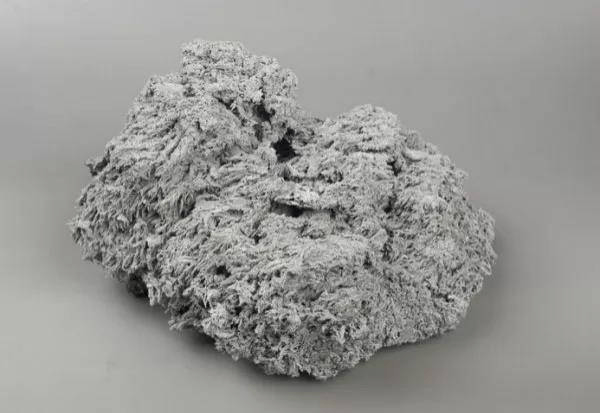
This “sponge”—so named because of its porous, hole-filled structure—is the raw base for all titanium products.
Step 2: Melting and the VAR Ingot
The titanium sponge is crushed and mixed with specific alloying elements (such as aluminum, vanadium, or molybdenum) depending on the grade required (e.g., the popular Grade 5 or Ti-6Al-4V).
This mixture is compacted into an electrode and melted in a vacuum furnace. To ensure the highest quality, the metal is typically melted using Vacuum Arc Remelting (VAR). In this process, an electric arc strikes the electrode, melting it drop by drop into a water-cooled copper crucible.
Because titanium reacts easily with air gases, this must happen in a vacuum. The ingot is often melted twice to ensure it is homogeneous, meaning the alloy elements are evenly distributed throughout the metal.
Step 3: Forging and Primary Rolling
Once we have a massive, round ingot, it is too thick for plate applications. It must be forged. The ingot is heated to high temperatures (in the “beta phase” field) and pressed or hammered. This breaks down the coarse cast structure and refines the internal grain of the metal, which significantly improves its mechanical properties.
The slab then undergoes primary hot rolling. The red-hot slab is passed through heavy rollers that reduce its thickness dramatically. This step transforms the ingot into a “plate” or a long coil, but the dimensions are still rough at this stage.
Step 4: Heat Treatment (Annealing)
Working with titanium generates internal stress and changes its microstructure. To restore ductility and ensure the plate meets specific hardness standards, it undergoes heat treatment, or annealing.
The plate is heated to a temperature below its melting point (typically between 650°C and 760°C) and held there for a specific time. This allows the atoms to rearrange into a stable configuration. It is then cooled down in a controlled manner. This step is vital to prevent warping or cracking during future use.
Step 5: Cold Rolling and Surface Finishing
For plates that require extremely tight thickness tolerances and a smooth surface, cold rolling is the next step. This is performed at room temperature. Cold rolling not only achieves precise dimensions but also increases the strength of the metal through “work hardening.”
Finally, the plate goes through rigorous finishing:
- Pickling:The plate is dipped in an acid solution to remove the “scale” or oxide layer formed during heating.
- Blasting and Grinding:Abrasive materials are used to create a uniform surface texture.
- Quality Inspection:Critical for buyers, the plates undergo ultrasonic testing (UT) to check for internal flaws that cannot be seen with the naked eye.
Why Choose Daxun Alloy Co., Ltd.?
Manufacturing titanium is an expensive and technically demanding process. A minor error in melting or heat treatment can compromise the structural integrity of the entire batch. This is why sourcing from a reliable supplier is critical.
At Daxun Alloy Co., Ltd., we understand that our clients rely on materials that perform under pressure. Whether you need corrosion-resistant titanium plates for a chemical plant or high-strength stainless steel and carbon steel for construction, we ensure every product meets rigorous international standards.
Our extensive inventory covers a wide range of specialized alloys tailored to your project specifications. We don’t just sell metal; we provide the foundation for your engineering success.
If you are looking for high-quality titanium plates or other steel and alloy products, trust the experts. Contact Daxun Alloy Co., Ltd. today to discuss your requirements and discover how our materials can elevate your business.