


Key Difference: Carbon Content
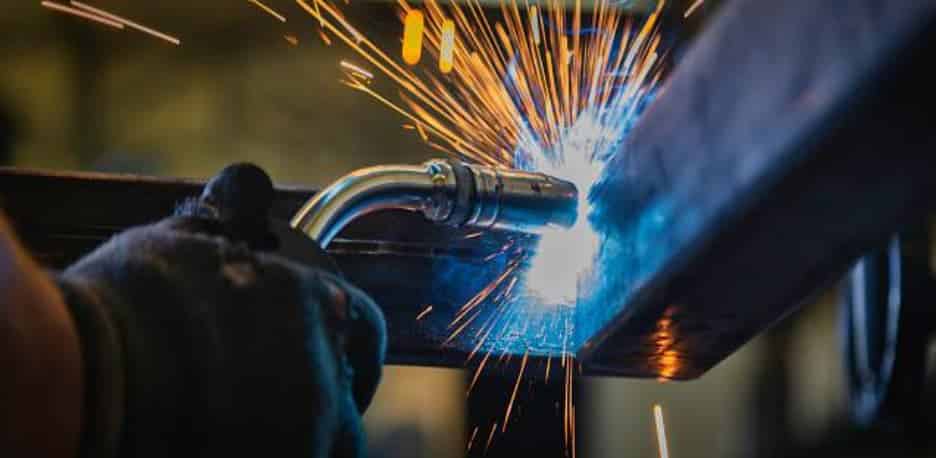
The most crucial difference between 316 and 316L stainless steel lies in their carbon content. 316 stainless steel has a maximum carbon content of 0.08%, while the “L” in 316L stands for “Low Carbon,” strictly controlling the carbon content below 0.03%. This subtle difference directly triggers a series of key performance changes. In high-temperature environments (such as welding, where temperatures can reach 600-850°C), carbon in the steel combines with chromium to form chromium carbide. Since chromium is the main element providing stainless steel’s excellent corrosion resistance, when it is “fixed” in carbides, the chromium content around the steel’s grain boundaries decreases, forming a chromium-depleted zone. This zone acts like a weak point in a defense line, preferentially corroded in corrosive environments, leading to “intergranular corrosion,” commonly known as “weld fading.” Because of its extremely low carbon content, 316L significantly reduces the opportunity for chromium carbide formation, thus maintaining its overall corrosion resistance well after welding.
Mechanical Properties
The difference in carbon content also leads to differences in their mechanical properties. Carbon is an effective strengthening element, and due to its higher carbon content, standard 316 stainless steel has higher tensile and yield strength than 316L stainless steel. The tensile strength of annealed 316 is typically around 580 MPa, while 316L is approximately 550 MPa. This means that in applications with minimal or no welding, where higher mechanical stresses are required, 316 is a stronger choice. However, when projects involve extensive welding, the advantages of 316L become apparent. It is not only easier to weld, but more importantly, it does not require additional heat treatment after welding to restore corrosion resistance, significantly simplifying the manufacturing process and reducing costs.
Application Differences
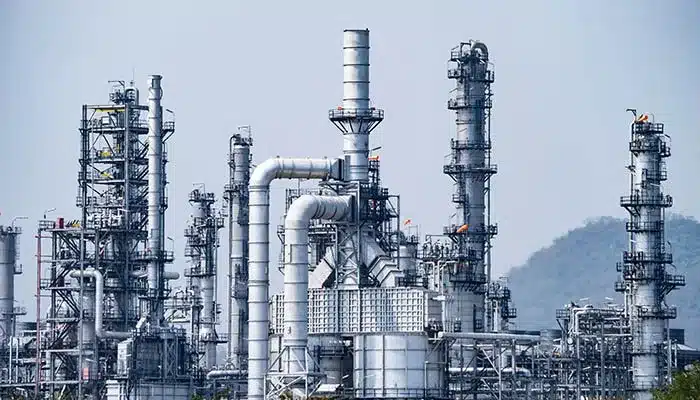
In practical applications, the choice of material depends entirely on the specific application. 316 stainless steel is commonly used in the manufacture of hardware for marine environments, chemical processing equipment, and some building components requiring high strength and good corrosion resistance. In contrast, 316L is the preferred choice for the pharmaceutical, biotechnology, and food processing industries, as these fields not only require corrosion resistance but also ensure that weld joints are free from any contamination or corrosion risk.