


Titanium’s role in modern military technology is not just significant; it’s foundational. This metal and its alloys are used from the ocean to space. They give the important performance needed for next-generation defense systems. This guide explores the reasons behind titanium’s military adoption, its key applications, and the specific alloys that make it all possible.
Key Military Applications of Titanium
The unique properties of titanium have led to its integration into nearly every domain of modern warfare.
Aerospace and Aviation
The aerospace sector is the single largest consumer of titanium in the military. Its use is critical for reducing weight while maintaining structural safety.
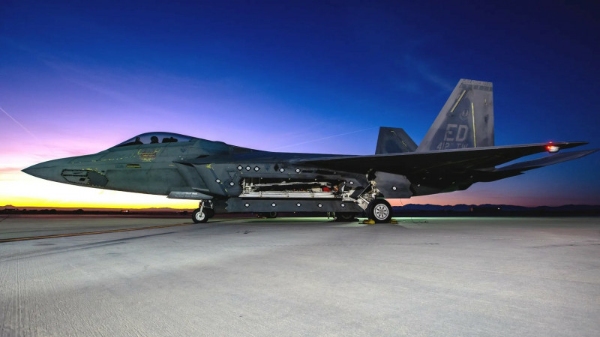
- Airframes:Titanium alloys are widely used in the manufacture of high-performance fighter jets, such as the F-22 Raptor and the F-35 Joint Strike Fighter, with titanium accounting for more than one-third of their total weight. Key components include bulkheads, wing spars, and fuselage frames, where the strength and lightweight properties of titanium alloys are crucial.
- Jet engine components: The extreme temperatures and rotational stresses inside jet engines require materials that can withstand these harsh conditions. Titanium alloys, with their combination of heat resistance and lightweight properties, are ideally suited for manufacturing compressor blades, discs, and housings.
- Spacecraft and Missiles:From rocket motor cases to structural components of satellites and hypersonic missiles, titanium’s reliability in extreme environments makes it the material of choice for space and missile systems.
Commonly used titanium alloy grades:
- Grade 5 (Ti-6Al-4V): The workhorse alloy for F-35 wing spars, F-16 hydraulic tubing, and helicopter rotor hubs. Its 900 MPa yield strength and 400°C continuous service temperature make it irreplaceable for primary structures.
- Grade 23 (Ti-6Al-4V ELI): Used in V-22 Osprey transmission gears and cryogenic fuel lines where extra-low interstitial content prevents brittle fracture at -65°C.
- Ti-5553 (Grade 19): Critical for F-22 Raptor landing gear beams and missile airframe connectors. This near-beta alloy delivers 1250 MPa tensile strength while surviving 30,000+ fatigue cycles.
- Grade 9 (Ti-3Al-2.5V): The preferred choice for helicopter hydraulic lines and UAV structural frames due to superior weldability in thin-wall tubing without requiring post-weld annealing.
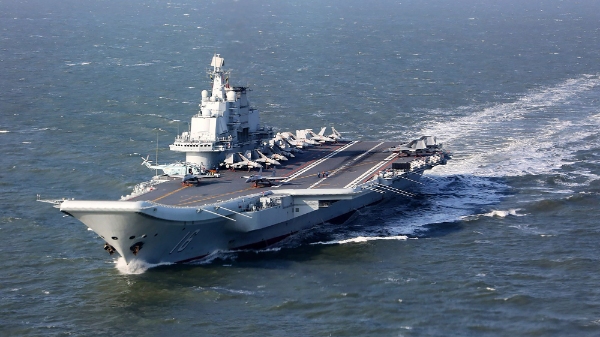
The corrosive nature of seawater presents a constant challenge for naval engineering. Titanium’s resilience makes it an ideal solution.
- Submarine Hulls and Components:The Russian Alfa-class submarine was famously the first to use a titanium pressure hull, allowing it to dive deeper and withstand greater pressure than its steel-hulled counterparts. Today, titanium is used for propeller shafts, seawater piping, and heat exchangers, significantly extending service life.
- Aircraft Carriers and Surface Vessels:Critical components that are constantly exposed to seawater, such as pump and valve systems, benefit from titanium’s corrosion resistance, reducing downtime and maintenance.
- Mine Countermeasure Vessels: Non-magnetic titanium hulls (Grade 12) prevent detonation of magnetic sea mines—a capability impossible with steel.
Commonly used titanium alloy grades:
- Grade 2 (Commercially Pure Titanium): Forms submarine propeller shafts and seawater piping systems that operate 30+ years without replacement—immune to crevice corrosion even at 3,000m ocean depths.
- Grade 12 (Ti-0.3Mo-0.8Ni): Essential for aircraft carrier seawater heat exchangers and sonar domes where resistance to biofouling and hydrogen embrittlement in stagnant zones prevents catastrophic failures.
- Grade 28 (Ti-3Al-2.5V-0.15Pd): Reserved for nuclear submarine condenser tubes where palladium addition prevents corrosion in reducing-acid environments of steam systems.
Ground Vehicles & Armor
Weight reduction directly translates to battlefield agility:
- Armored Personnel Carriers: Titanium-aluminum composite doors (on JLTV variants) reduce weight by 45% versus steel while maintaining ballistic protection (STANAG 4569 Level 3).
- Artillery Systems: Howitzer recoil mechanisms use Ti-6Al-4V springs that absorb 2x the energy of steel springs at half the weight.
- Unmanned Systems: MQ-9 Reaper drone landing gear employs Grade 9 titanium to withstand 10,000 rough-field landings.
Commonly used titanium alloy grades:
- Grade 5 (Ti-6Al-4V): Reduces weight by 40% in JLTV suspension arms and Abrams tank road wheel hubs without sacrificing impact resistance.
- Grade 38 (Ti-4Al-2.5V): Optimized for howitzer recoil mechanisms and armored vehicle hinges. Its lower modulus absorbs shock loads while minimizing springback during fabrication.
- Beta C (Ti-3Al-8V-6Cr-4Mo-4Zr): Engineered for Stryker vehicle torsion bars and artillery breech locks. This alloy achieves 1300 MPa strength after aging while maintaining ductility in welded zones.
Soldier Systems
Modern infantry carry 120+ lbs of gear. Titanium lightens critical items without sacrificing durability:
- Helmet Components: Ti-6Al-4V (Grade 5) chin straps and rails cut weight by 20% versus steel.
- Weapon Parts: M4 carbine barrel extensions (Grade 23) withstand 10,000+ rounds without warping.
- Load-Bearing Equipment: Buckles and frames in modular tactical vests use Grade 2 titanium for seawater resistance during amphibious ops.
Commonly used titanium alloy grades:
- Grade 2 (Commercially Pure Titanium): Non-magnetic marine corps helmet rails and parachute buckles withstand constant saltwater immersion during amphibious operations.
- Grade 5 (Ti-6Al-4V): M4 carbine barrel extensions and load-bearing vest frames survive 10,000+ rounds without thermal distortion.
- VT6 (Ti-6Al-4V Russian variant): Special forces breaching tools and knife blades function reliably at -50°C with superior edge retention (42 HRC hardness).
Why Titanium Outperforms Alternatives in Military Environments
The Unmatched Triad: Weight + Corrosion Resistance + Strength
|
Properti
|
Titanium (Grade 5)
|
Aerospace Aluminum
|
4340 Steel
|
Military Impact
|
|---|---|---|---|---|
|
Density (g/cm³)
|
4.43
|
2.80
|
7.85
|
45% lighter than steel at equal strength
|
|
Salt Spray Resistance
|
Immune
|
Pits at >1,000 hrs
|
Rusts at >500 hrs
|
Zero maintenance for shipboard parts
|
|
Kekuatan Luluh (MPa)
|
880
|
470
|
1,200
|
Better strength-to-weight than steel
|
|
Service Temp Range
|
-253°C to 400°C
|
-270°C to 150°C
|
-50°C to 300°C
|
Cryogenic rocket systems + desert ops
|
Di Daxun Alloy Co, Ltd., we provide a comprehensive range of titanium products, including titanium plates and other specialized alloys, designed to meet the rigorous standards of the military and defense industries. Our expertise ensures that our clients receive materials that deliver the performance and reliability required for their most critical applications.