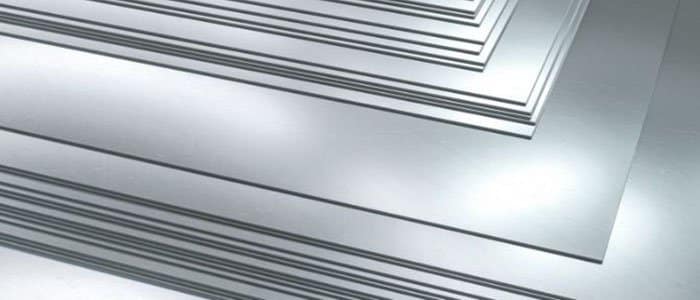



Stainless steel is an iron-based alloy containing at least 10.5% chromium. Chromium forms a protective chromium oxide layer on the surface, preventing rust from penetrating the iron.Stainless steel can be classified into duplex structure classes そして single heat-treatment classes, which fall under the same general category for most types. The numbering system divides stainless steel into five categories: martensitic, austenitic, ferritic, duplex, and precipitation-hardening.In this article, we will examine the different types of stainless steel.
マルテンサイト系ステンレス鋼
Martensitic stainless steels are a class of stainless steel whose properties can be adjusted through heat treatment (quenching, tempering). These steels primarily consist of iron and carbon (up to ~2 wt.%), with chromium content ranging from 10.5% to 18% and carbon content not exceeding 1.2%.
For Grade 403, no additional parameters are specified—it is a basic martensitic stainless steel. Other martensitic steels (e.g., 403, 410, and the 400 series) are considered hardenable.
アプリケーション
-
Jet engines
-
Gas turbines
-
Valve components
-
Cutlery
-
Petrochemical equipment
Key Mechanical Properties:
-
Moderate work-hardening rate
-
Heat-treatable
-
Good ductility and toughness
-
High tensile strength
-
Good creep and fatigue resistance
-
Magnetic
オーステナイト系ステンレス鋼
The most common type of chromium alloy, austenitic stainless steel has a face-centered cubic (FCC) crystal structure, similar to high-temperature iron. The primary alloying elements are chromium-nickel (Cr-Ni) そして chromium-manganese-nitrogen (Cr-Mn-N), categorized by application.
組成:
-
16–26% chromium
-
≤0.15% carbon
-
Up to 35% nickel (for cold-working and strain hardening)
-
Manganese (≤1/7 Mn per standards)
-
Silicon (0.75–3% for high-temperature strengthening)
-
Additional elements (e.g., sulfur, nitrogen, molybdenum, selenium, copper)
Magnetic austenitic grades: 201, 202, 205.
Non-magnetic grades: 304 (industrial standard, ≥8% nickel).
アプリケーション
-
Appliances
-
Screws and undercut components
-
Chemical mixing tanks
-
Pressure vessels
機械的特性:
-
Excellent work-hardening rate
-
Superior ductility and toughness
-
High tensile strength
-
Good creep and fatigue resistance
-
Scale resistance (up to 650°C)
-
Moderate heat resistance (≤650°C)
-
Excellent weldability
フェライト系ステンレス鋼
Ferritic stainless steel has a body-centered cubic (BCC) structure, with 10.5–30% chromium and ≤0.2% carbon. Common alloying elements include molybdenum, silicon, aluminum, titanium, and niobium.
Basic grade: 430.
Enhanced grades: 434 (standard), 409 (titanium-stabilized), 439, 444 (super ferritic).
- 食品加工機器
- Chloride solution pipelines
- Heat exchangers (≤250°C)
-
Automotive interiors
機械的特性:
-
Low work-hardening rate
-
Moderate ductility and toughness
-
High tensile strength
-
Good creep/fatigue resistance at low temperatures
-
Moderate corrosion resistance
-
Good heat resistance
-
Poor weldability
-
Magnetic
Duplex Stainless Steel
Duplex stainless steel combines ferritic (BCC) そして austenitic (FCC) structures. It offers corrosion resistance comparable to Grade 316 austenitic steel but with higher tensile strength and improved stress-corrosion cracking resistance.
組成:
-
22–26% chromium
-
4–7% nickel
-
≤0.6% copper
-
0.15–0.25% nitrogen
Categories:
-
Lean duplex (2304)
-
Standard duplex (2205)
-
Super duplex (2507)
-
Hyper duplex (Zeron 100)
アプリケーション
-
Oil & gas
-
Chloride water treatment
-
Seawater desalination
機械的特性:
-
High work-hardening rate
-
Non-heat-treatable
-
Good ductility/toughness
-
優れた耐食性
-
Moderate weldability
Other Notable Grades
201 Stainless Steel
-
構成: Cr-Mn-N alloy (16–18% Cr, 3.5–5.5% Ni).
-
アプリケーション: Food handling, architectural components.
-
プロパティ: Non-magnetic (annealed), cold-work hardenable.
2507 (Super Duplex)
-
構成: 25% Cr, 7% Ni, 4% Mo.
-
アプリケーション: Desalination plants, chemical processing.
304/304L/304H
-
304: General-purpose (18% Cr, 8% Ni).
-
304L: Low-carbon variant for welding.
-
304H: High-temperature stability.
316/316L
-
Molybdenum-enhanced for corrosion resistance.
-
アプリケーション: Marine, chemical processing.
430 (Ferritic)
-
Cost-effective, moderate corrosion resistance.
-
アプリケーション: Automotive exhausts, heat exchangers.
概要
This article detailed stainless steel types, grades, and properties. For further inquiries, contact DAXUN for manufacturing services or a free quote.
免責事項: The content is for informational purposes only. DAXUN does not guarantee accuracy. Specifications depend on supplier compliance. Refer to our Terms & Conditions for details.