




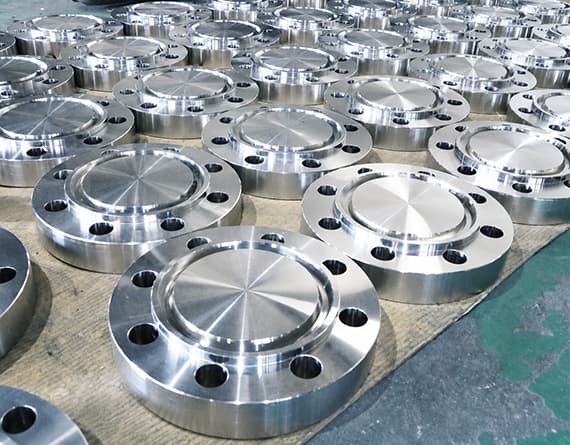
What is High-temperature alloy
High-temperature alloy refers to a type of metal material based on iron, nickel and cobalt, which can work for a long time at high temperature above 600℃ and under certain stress. They have excellent high temperature strength, oxidation resistance, thermal corrosion resistance, good fatigue performance and fracture toughness, so they are also called “Superalloy”.
Performance characteristics of High-temperature alloy
- Excellent high temperature performance: able to maintain high strength and good mechanical properties at high temperature.
- Good oxidation resistance and corrosion resistance: excellent performance in high temperature oxidation and corrosion environment.
- High reliability and long life: can maintain stable performance under extreme conditions and extend the service life of equipment.
- Good fatigue performance and fracture toughness: excellent performance under cyclic load and impact load.
Common High-temperature Alloy Grades & Chemical Compositions
The following are the main features of several commonly used high-temperature alloy grades:
GH4169
- Main features:
Precipitation-strengthened nickel-based high-temperature alloy, excellent high-temperature strength and oxidation resistance.
Excellent performance in the temperature range of -253℃ to 700℃, and the yield strength below 650℃ ranks first among deformed high-temperature alloys.
Good fatigue resistance, radiation resistance, corrosion resistance, as well as good processing and welding properties. - Application areas: aviation engines, nuclear energy, petroleum industry, used to manufacture turbine blades, combustion chambers, etc.
GH3030
- Main features:
Nickel-based high-temperature alloy, excellent high-temperature mechanical properties and corrosion resistance.
Maintain good mechanical properties below 800℃, and high chromium content enhances the alloy’s oxidation resistance.
Good thermal fatigue resistance and cold working performance, can be used to make various cold-rolled thin plates, pipes, wires and other deformed products. - Application areas: aerospace, petrochemical, nuclear energy and petrochemical equipment, used to manufacture high-temperature components such as turbine blades, combustion chambers, etc.
GH3039
- Main features:
Nickel-based high-temperature alloy, excellent high-temperature strength and oxidation resistance.
The tensile strength is 650MPa at 850℃, and the oxidation weight gain is only 2-3mg/cm² after continuous use for more than 100 hours at 1000℃.
Good cold formability and welding performance, suitable for aircraft engine combustion chamber and afterburner parts for long-term use below 850℃. - Application areas: aircraft engines, gas turbines, used for manufacturing turbine blades, guide blades, etc.
GH3044
- Main features:
Nickel-based high-temperature alloy, excellent high-temperature strength, oxidation resistance and hot corrosion resistance.
The tensile strength at 1000℃ can reach 650MPa, and the creep rupture strength at 850℃ is 400MPa.
The oxidation resistance in high-temperature oxidation environment is very good, and the thickness of the oxide film at 1000℃ is only about 10μm. - Application areas: aircraft engines, gas turbines, nuclear reactors, used to manufacture high-temperature components such as turbine disks, combustion chambers, etc.
| Element / Alloy Designation | GH4169 (Inconel 718) | GH3030 | GH3039 | GH3044 |
| Ni: | 50 – 55% | 45 – 50% | 48 – 53% | >55% |
| Cr: | 17 – 21% | 20% | 19 – 22% | 18 – 21% |
| Fe: | 5 – 10% | 15% | - | - |
| Mo: | 2.8 – 3.3% | - | 2.8 – 3.3% | 4 – 5% |
| Nb: | 4.75 – 5.50% | - | - | - |
| Ti: | 0.65 – 1.15% | 2% | 1.8 – 2.2% | 0.3 – 0.5% |
| Al: | 0.20 – 0.80% | 3% | 0.80% | 0.2 – 0.5% |
| C : | ≤0,08% | ≤0.12% | ≤0,08% | - |
| P : | ≤0,015% | ≤0,02% | ≤0,015% | ≤0,02% |
| S : | ≤0.01% | ≤0,015% | ≤0.01% | ≤0,015% |
| Co: | - | 10% | 12% | 12 – 15% |
| Mn: | ≤0.35% | ≤0.7% | ≤0,5% | ≤0,5% |
| Si: | ≤0.35% | ≤0.8% | ≤0,5% | ≤0,5% |
| Cu: | ≤0.3% | - | - | - |
| W : | - | - | - | 3 – 4% |
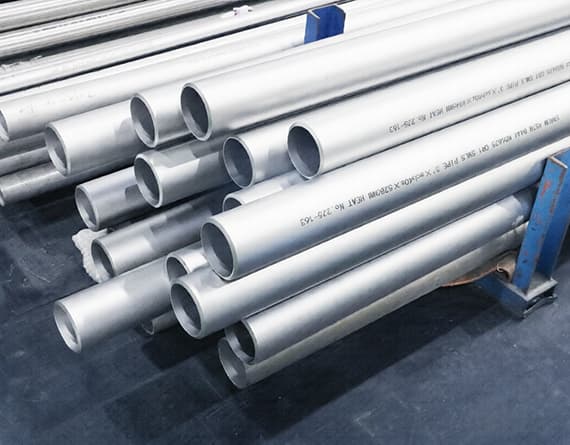
GH4169
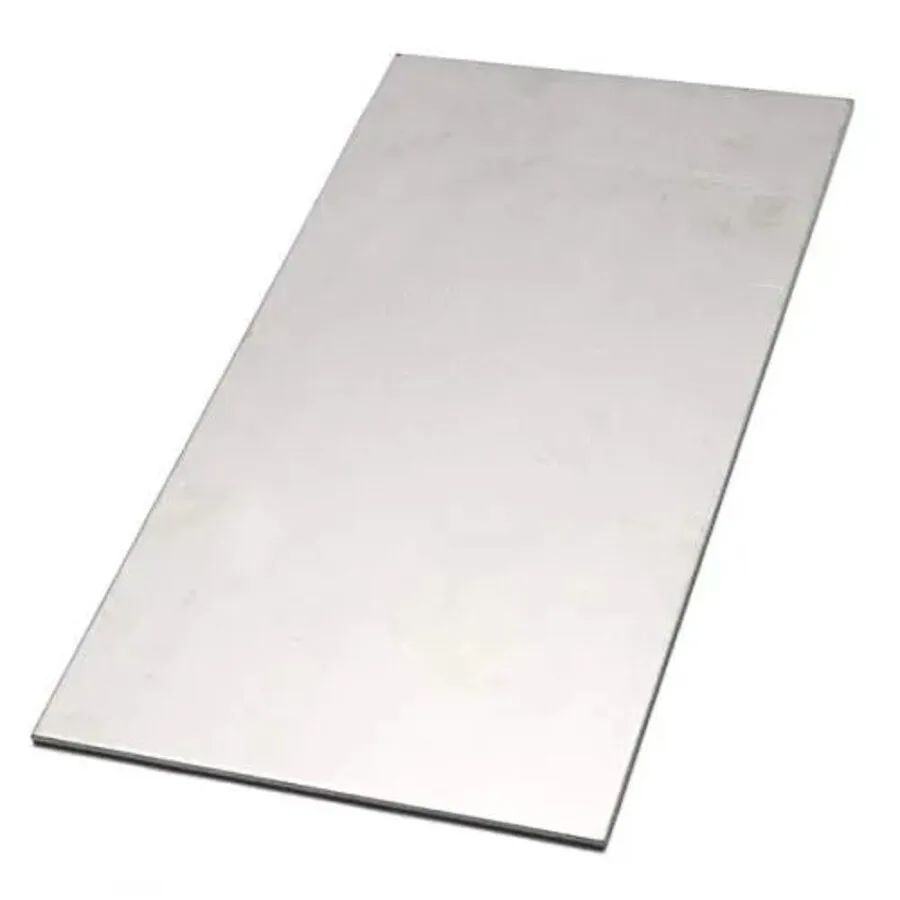
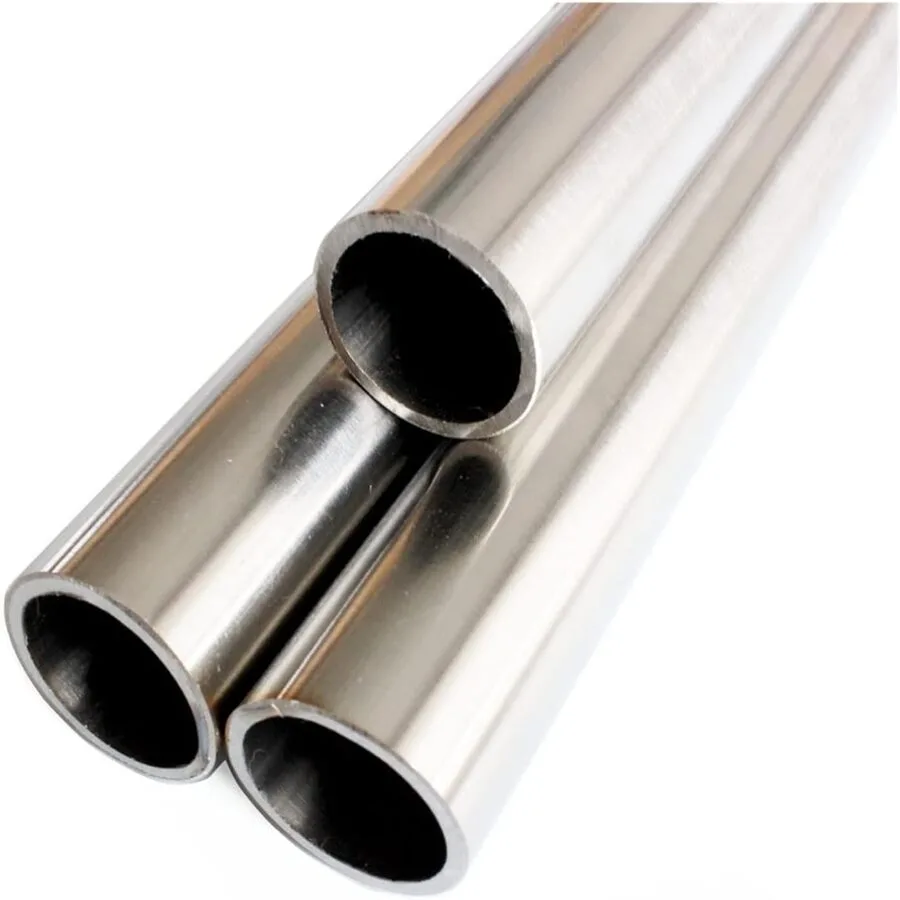
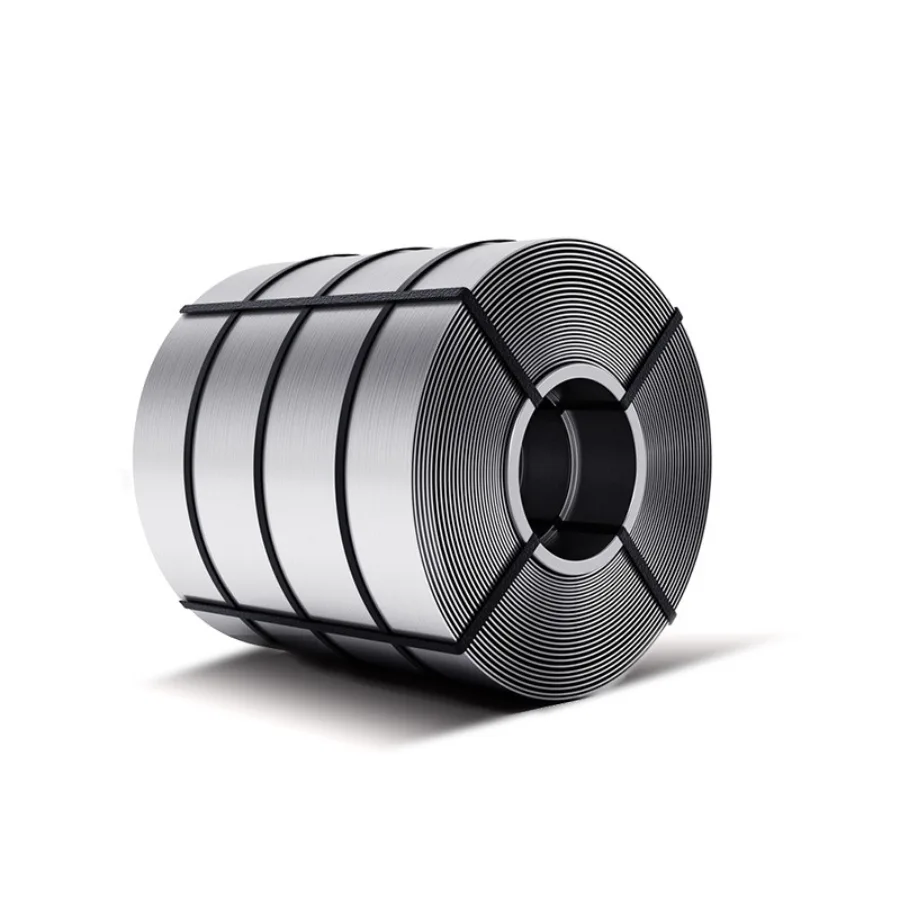
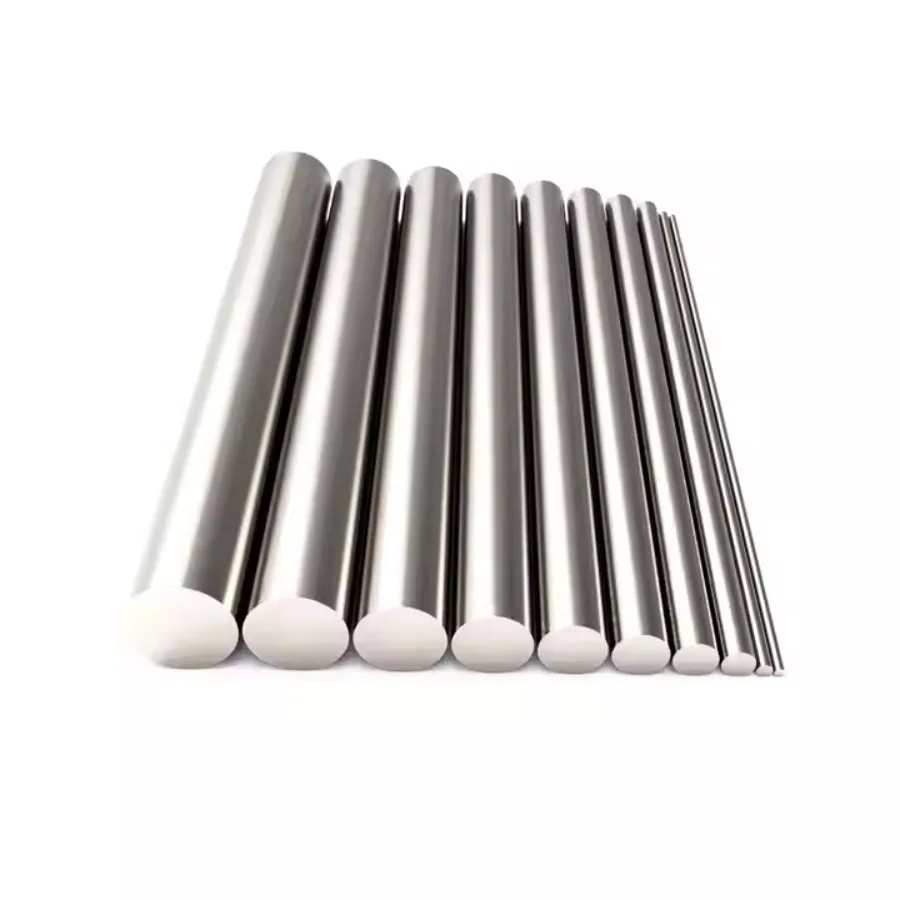
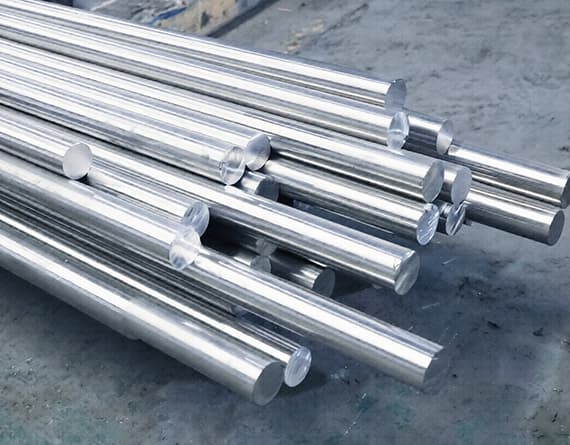
GH3030
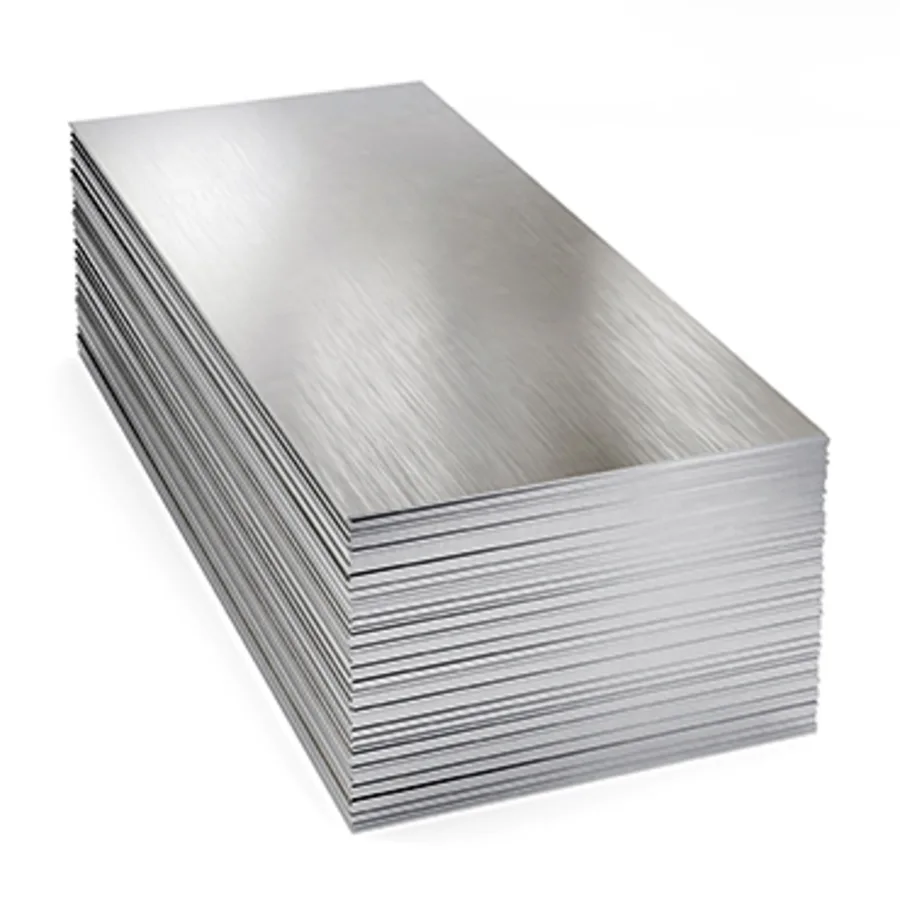
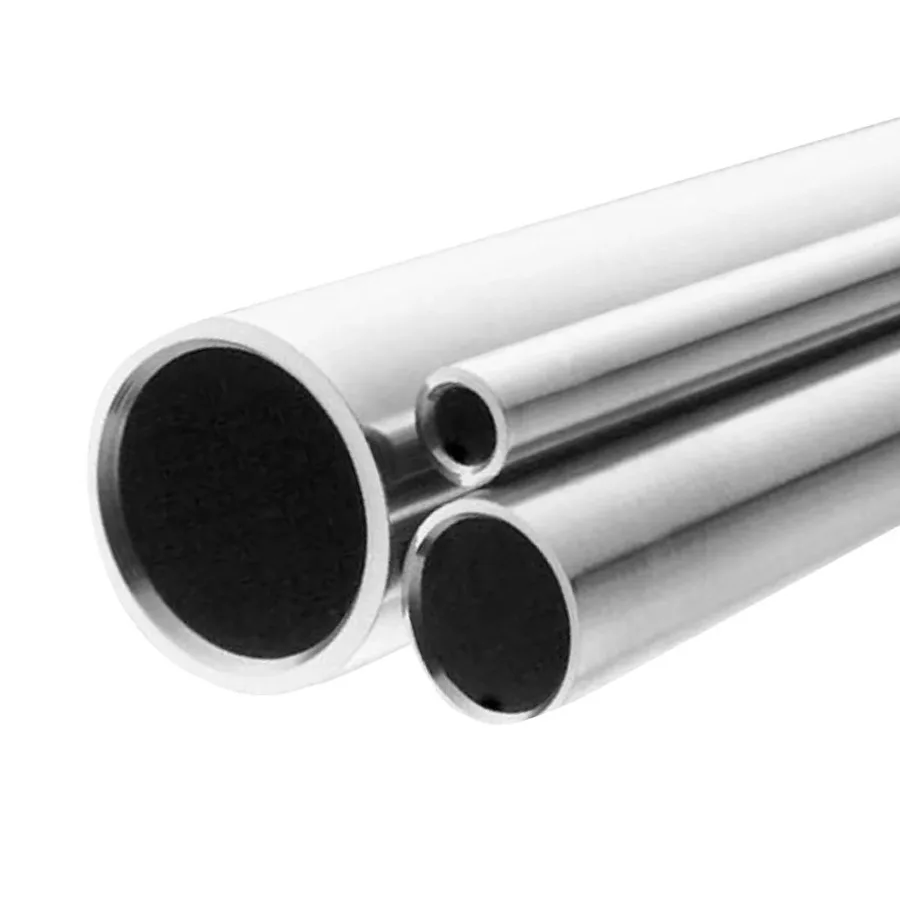
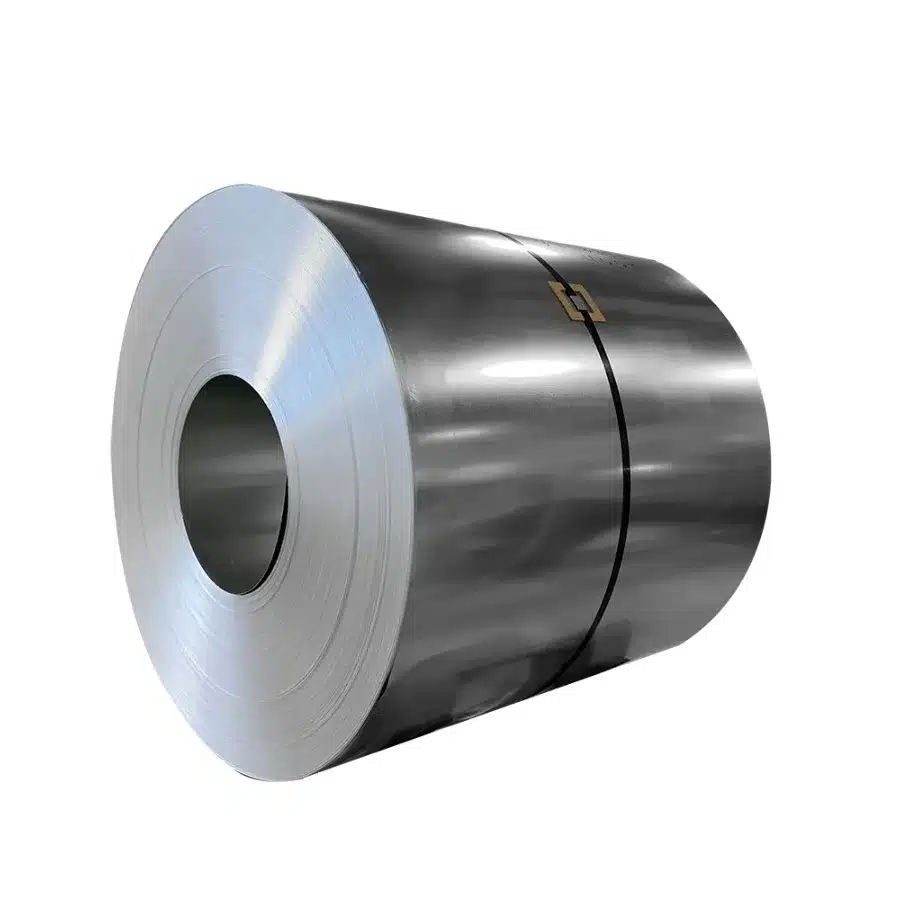
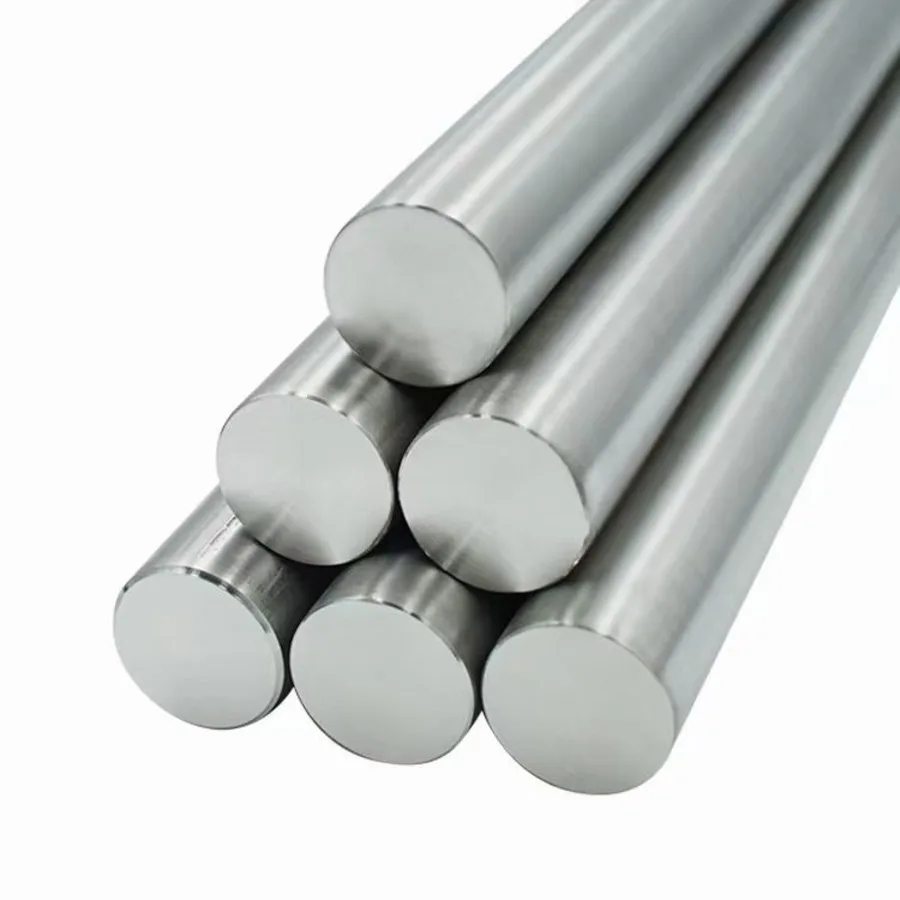
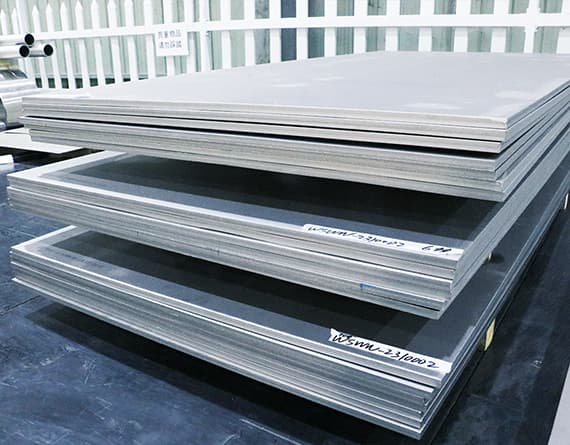
GH3039
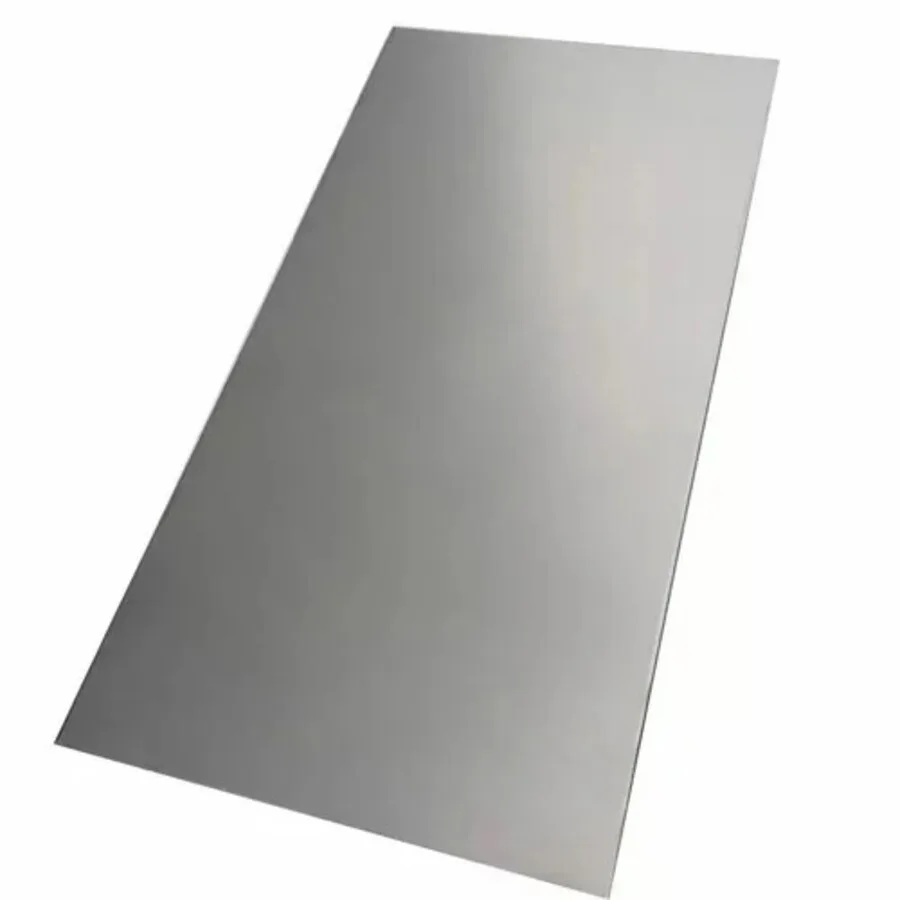
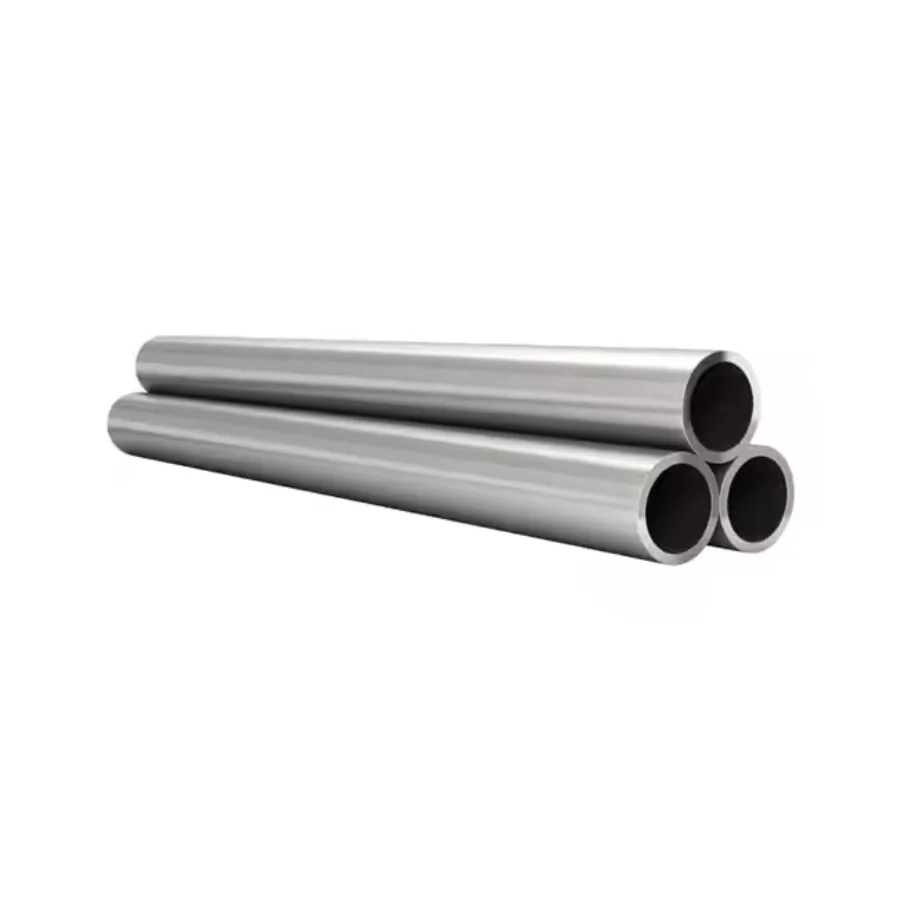
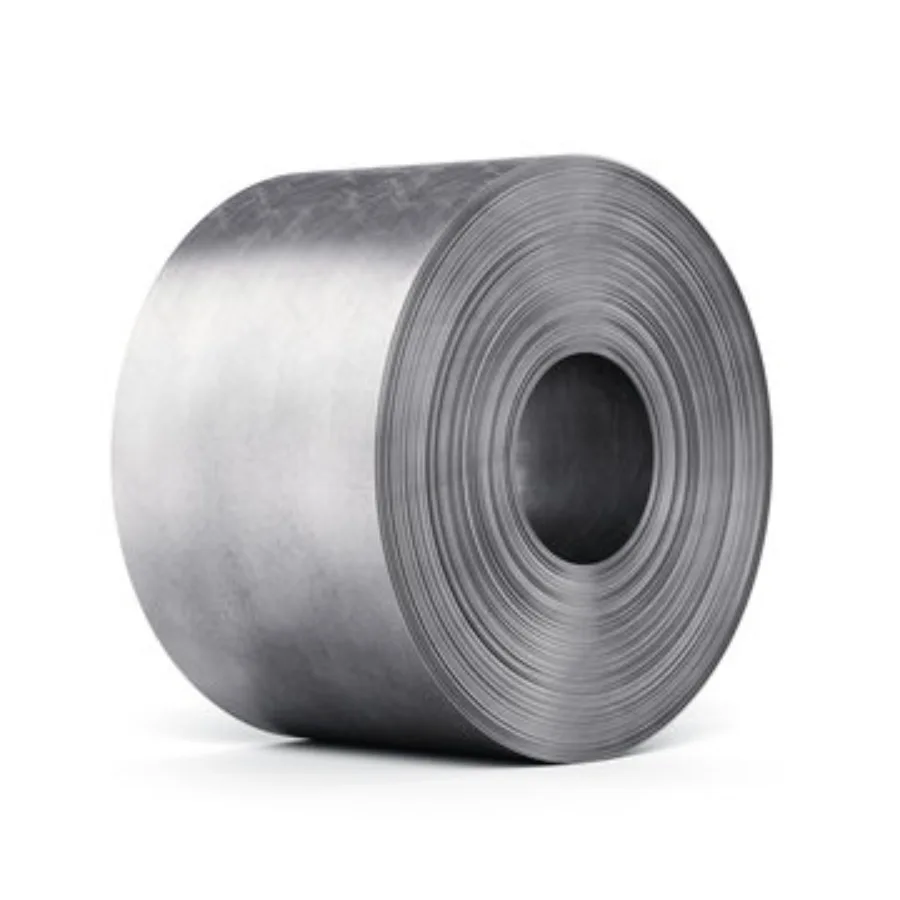
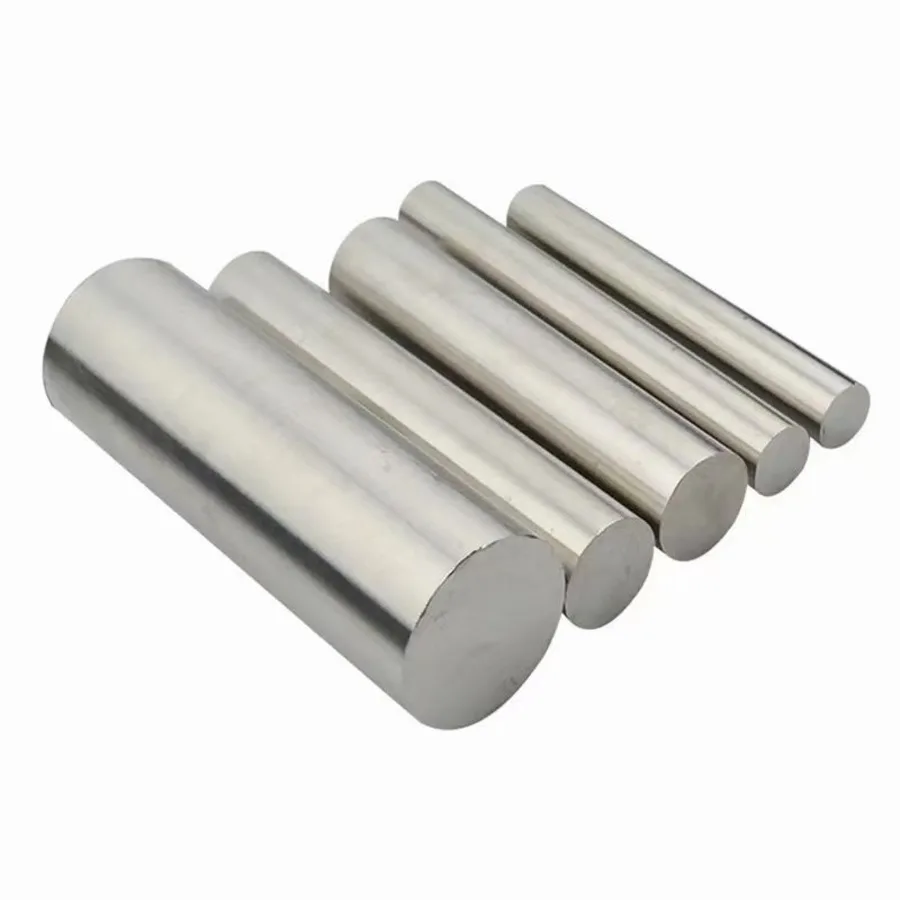
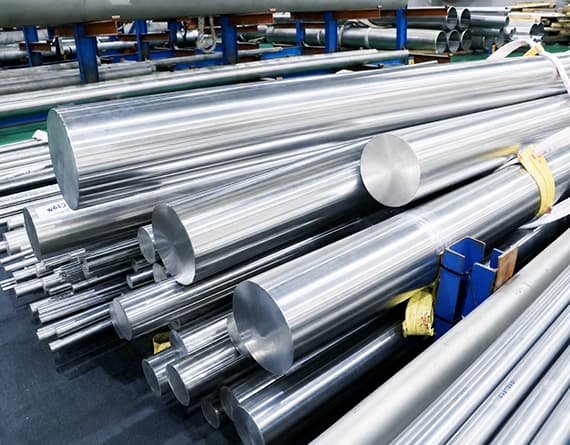
GH3044
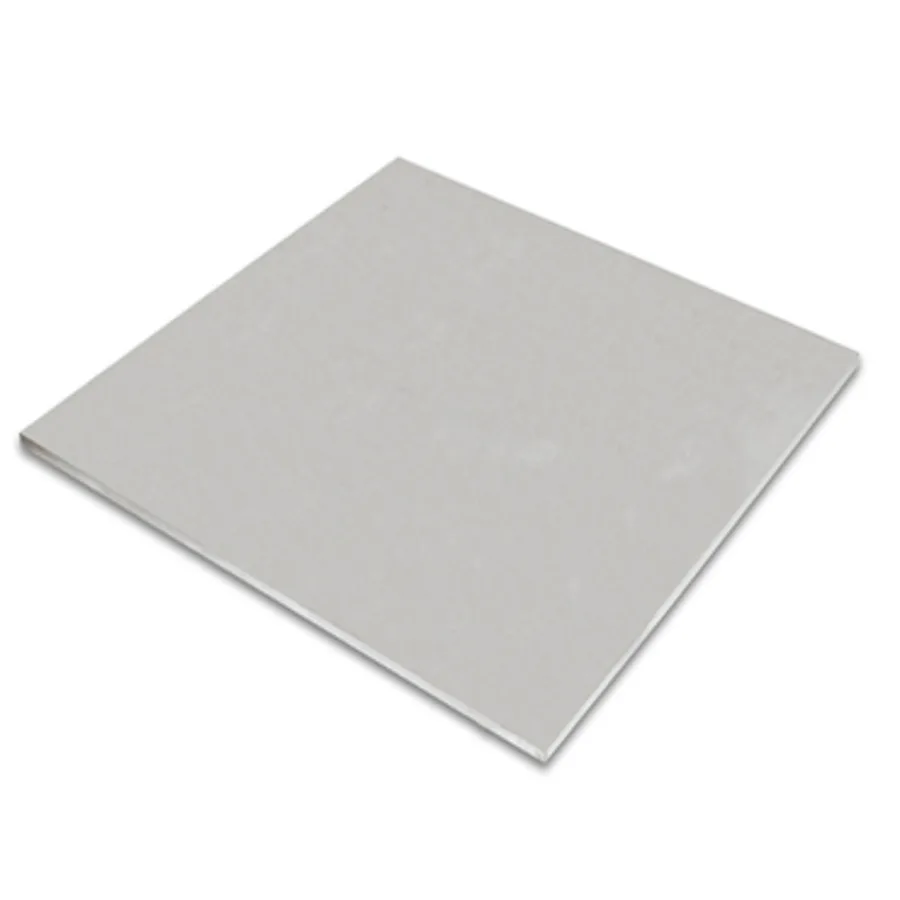
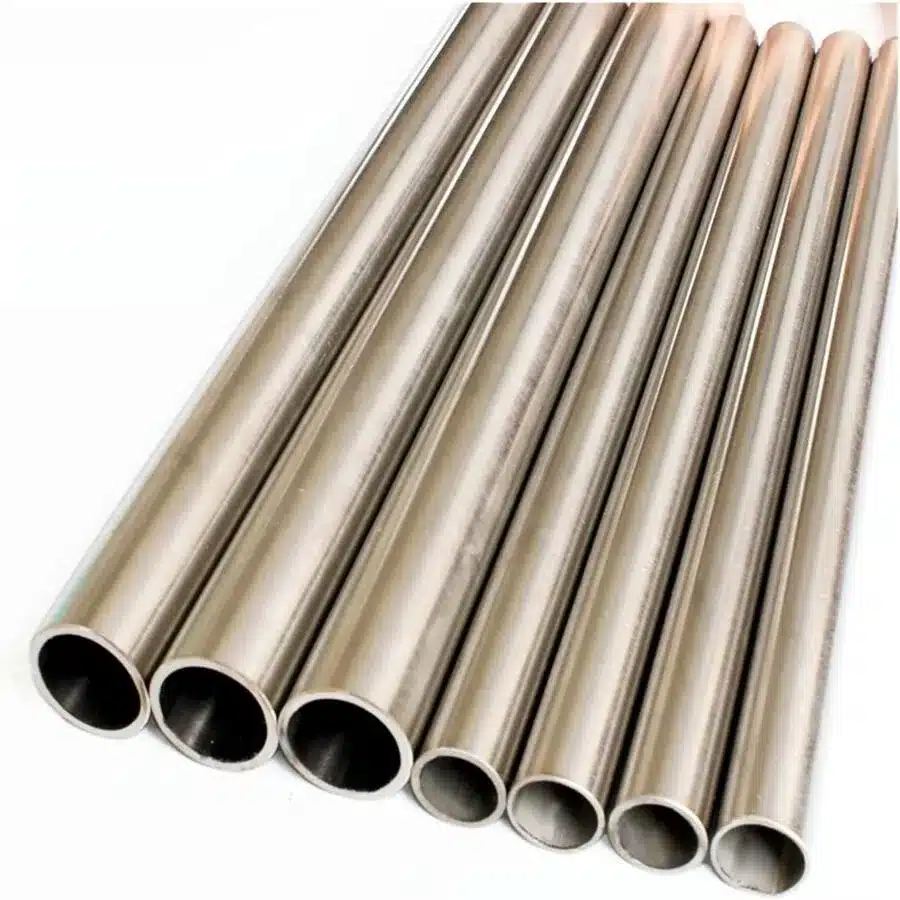
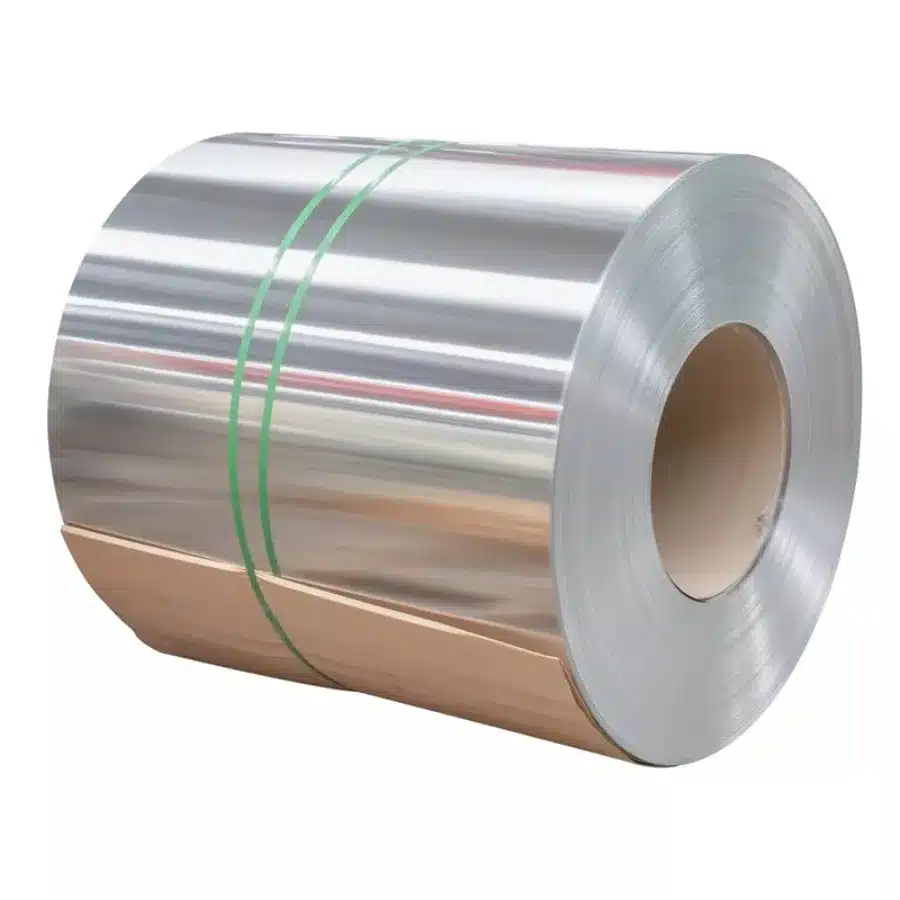
Sim, dispomos de especificações e inventário completos e podemos responder rapidamente às suas necessidades.
Sim, pode ser personalizado. Pode contactar-nos e enviar-nos as especificações personalizadas e a quantidade.
Os nossos métodos de transporte incluem geralmente o transporte marítimo, o transporte terrestre e o transporte marítimo. Chegar até si de forma rápida e segura.
Uma vez que a nossa produção é elevada, o custo será muito inferior, pelo que o preço é baixo.
Podemos fornecer amostras de chapas de aço inoxidável para que possa verificar a qualidade. A amostra é grátis e o cliente só paga o frete.
Damos grande importância à qualidade do produto e passámos vários testes de sistema de qualidade.